
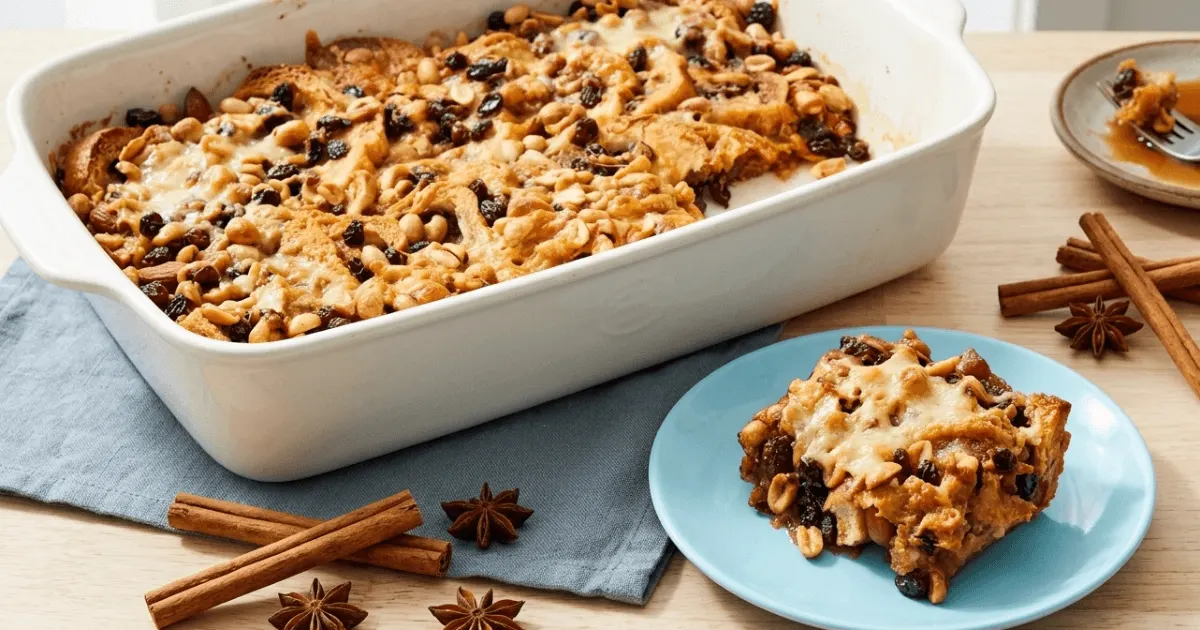
Old-school, deeply comforting, and unlike anything else you’ve ever tasted. Meet Mexico’s most beloved Easter dessert.
Capirotada is one of those dishes that’s really hard to explain — but incredibly easy to fall in love with. It’s toasted bread, raisins, peanuts, a warm spiced syrup, and yes, cheese. All baked together into something that somehow tastes better than the sum of its parts. It’s sweet and savory at once, cozy and complex, and it only shows up once a year. It’s no surprise that people feel strongly about it.
If you’ve never had it, or you’re just curious what the fuss is about, you’re about to find out.
“Capirotada isn’t just a recipe — it’s a warm, nostalgic hug in a bowl that ties generations of Mexican families together.”
Table of Contents
What Is Capirotada? A Journey from Spain to Mexico
Roots in 15th-Century Spain
Believe it or not, Capirotada didn’t start as a dessert. Back in 15th-century Spain, it was a savory dish — bread dunked in meat broth and seasoned with herbs. Tasty enough, sure, but nothing close to what it would eventually become.
Colonial Transformation
When Spanish colonizers arrived in Mexico, the dish came along — but Mexican cooks completely reimagined it. Meat broths were swapped out for cinnamon syrup and piloncillo, a rich, dark, unrefined cane sugar that tastes somewhere between caramel and molasses. It’s honestly one of history’s best culinary makeovers. Early versions were even recorded in the archives of the Spanish Inquisition in the 1640s, which tells you just how significant this dish already was. Over the centuries, families kept adding their own touches, and the Capirotada we love today was born.
Why Capirotada Is the Essential Mexican Easter Recipe
Capirotada isn’t an everyday dessert — it has its season. It shows up during the 40 days of Lent, especially on Good Friday, when Catholic families skip meat. Hearty, meatless, and deeply satisfying, it was the perfect dish for those fasting days.
But it became much more than a practical solution. Grandmothers would make enormous batches. Families would gather around the kitchen. That smell of cinnamon simmering on the stove? For many Mexican families, it’s basically the scent of Holy Week. To this day, Semana Santa doesn’t feel complete without Capirotada on the table.
What Makes Capirotada Truly Unique?
The Sweet and Savory Flavor Combination
Let’s talk about the cheese. Yes, there’s cheese in this dessert — and it’s not a mistake. Oaxaca cheese or queso fresco adds a mild saltiness that cuts beautifully through the sweetness of the syrup. It sounds unexpected, but it works perfectly. The piloncillo syrup itself is worth appreciating too: dark, spiced, almost caramel-like, with a warmth that lingers in every bite.
Symbolic Ingredients: A Dish Steeped in Faith
Here’s what really sets Capirotada apart — every ingredient carries a religious meaning, deliberately passed down through generations:
| Ingredient | What It Represents |
|---|---|
| The Bread | The Body of Christ |
| Piloncillo Syrup | The Blood of Christ |
| Cloves | The nails of the cross |
| Cinnamon Sticks | The wooden cross |
| Melted Cheese | The Holy Shroud |
When you know that, making Capirotada feels like something more than cooking. It’s an act of memory and faith baked into a casserole dish.
Texture and Layers
Texturally, it’s a treat too. The inside goes soft and almost custardy as the bread soaks up the syrup, while the top stays slightly crisp where the cheese has caramelized. Every forkful is a little different — chewy raisin, crunchy peanut, gooey cheese, warm cinnamon. It keeps you coming back.
Traditional Mexican Capirotada
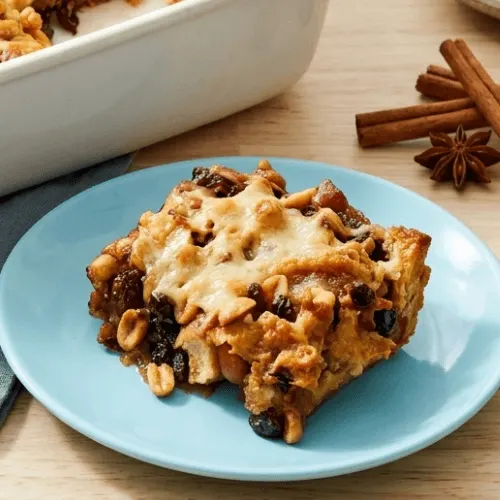
Capirotada
Equipment
- Baking dish 9×13-inch
- Large saucepan or stockpot
- Baking sheet
- Slotted spoon
- Aluminum foil
Ingredients
- 3 cups water
- 2¼ cups packed brown sugar
- 2 cinnamon sticks
- 2 loaves bolillo bread sliced ½-inch thick, toasted
- ½ cup butter, softened
- 3 cups shredded Oaxaca cheese
- 2 cup s peanuts
- 1 cup raisins
- ¼ tsp ground cinnamon
- ¼ tsp ground nutmeg
- ⅛ tsp ground cloves
Instructions
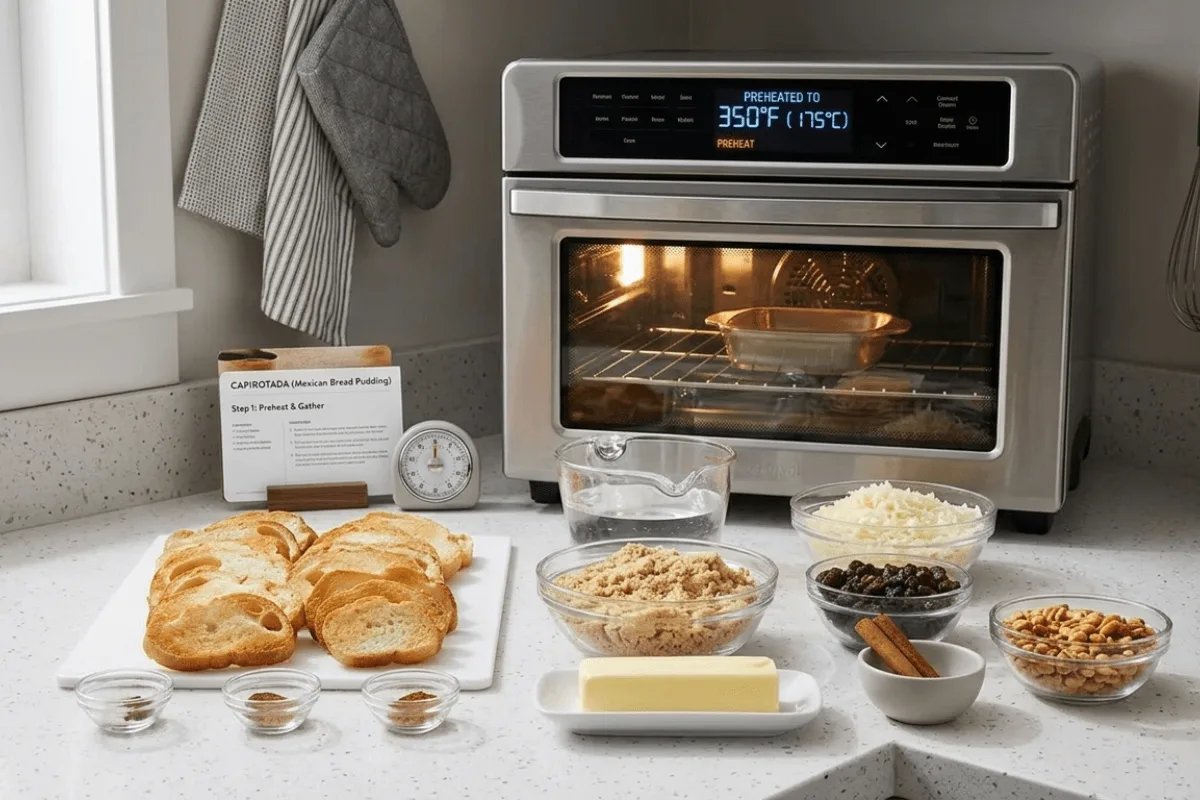
- Preheat your oven to 350°F (175°C) and gather everything you need.

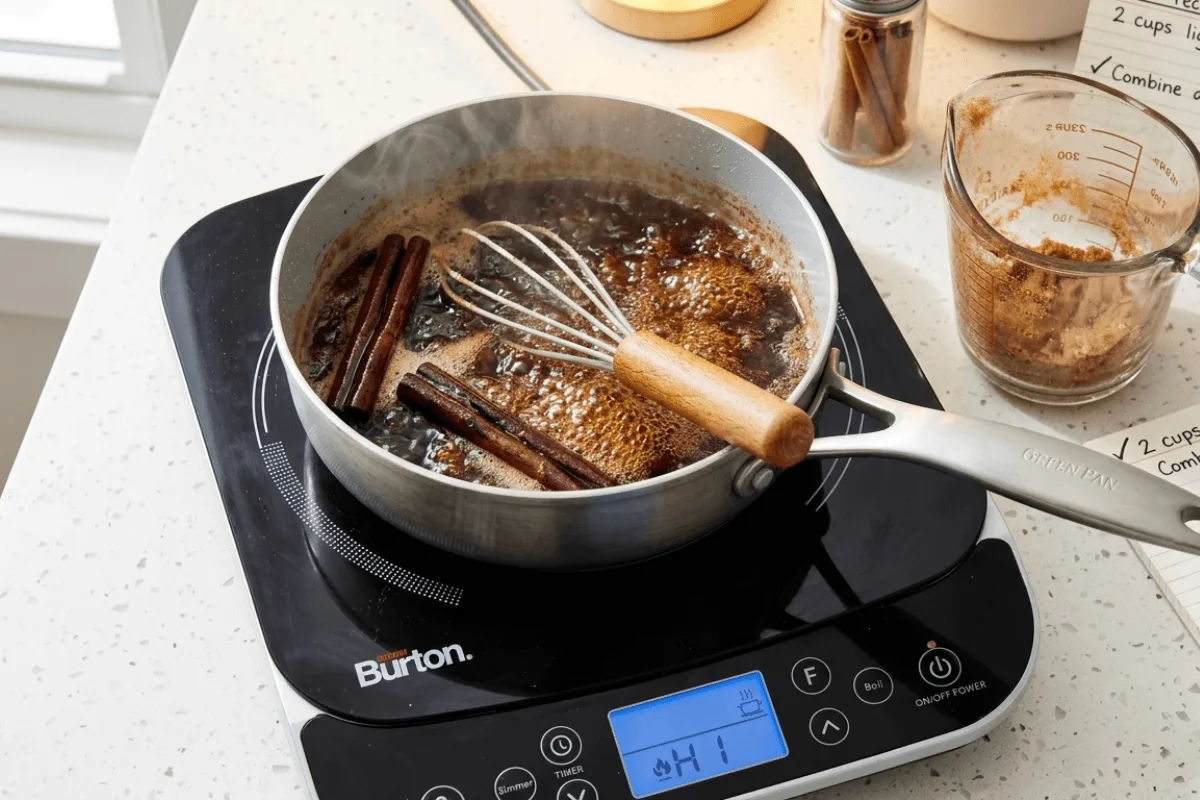
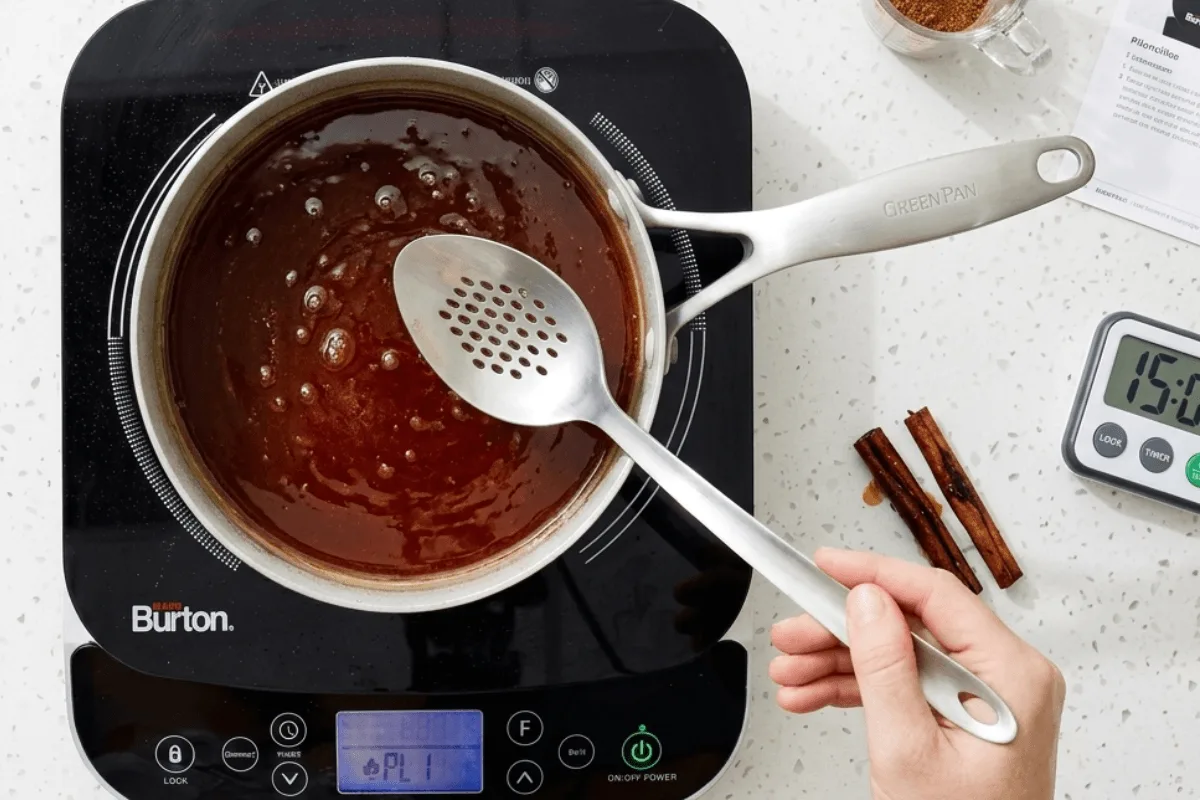
- Combine water, 2 cups brown sugar, and cinnamon sticks in a saucepan. Bring to a boil.
- Reduce the heat and simmer until the sugar dissolves and it thickens into a syrup, about 15 minutes. Remove the cinnamon sticks.
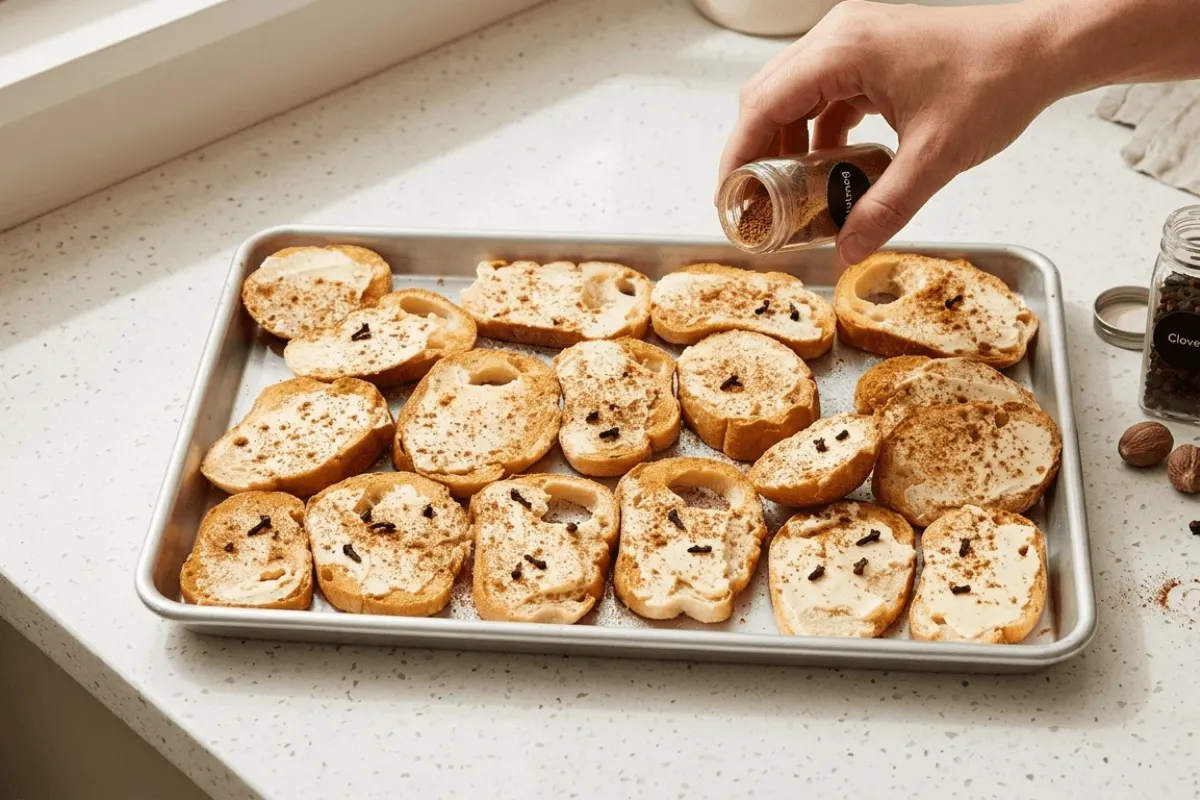
- Butter one side of each toasted bread slice and sprinkle with cinnamon, nutmeg, and cloves.
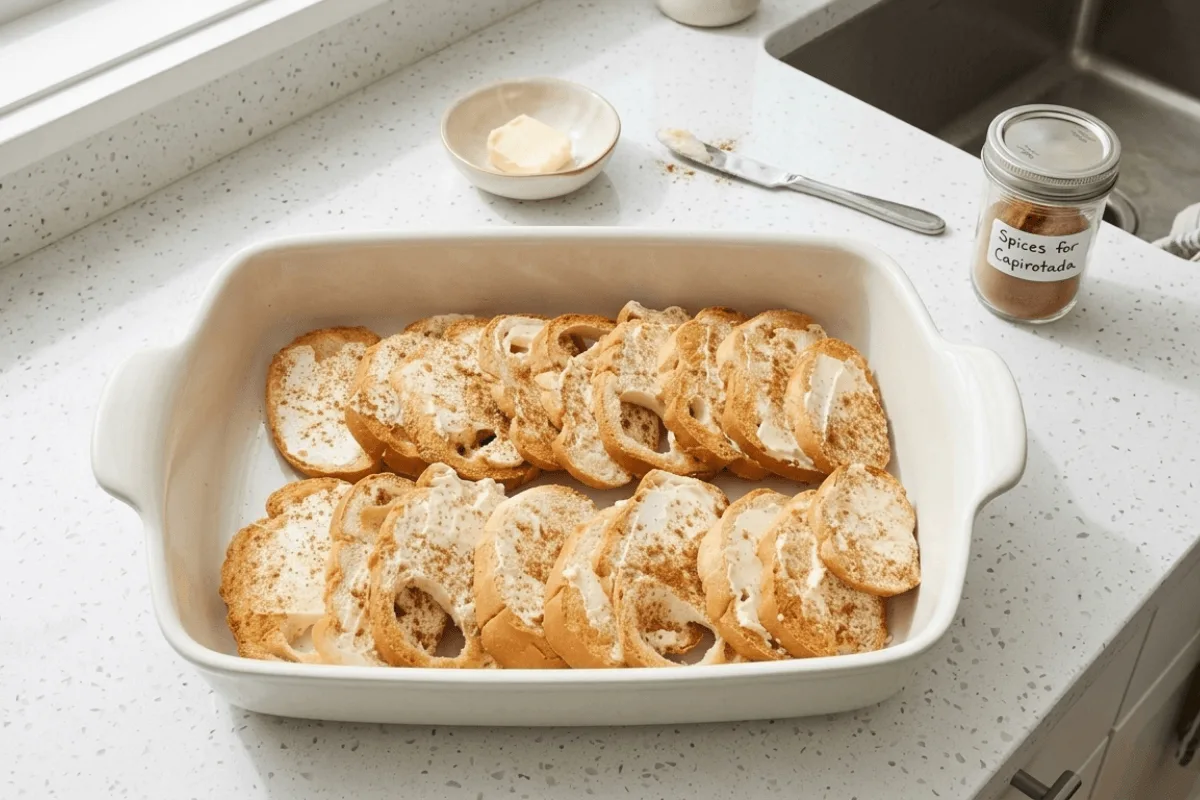
- Arrange the bread butter-side up in two rows in a 9×13-inch baking dish.
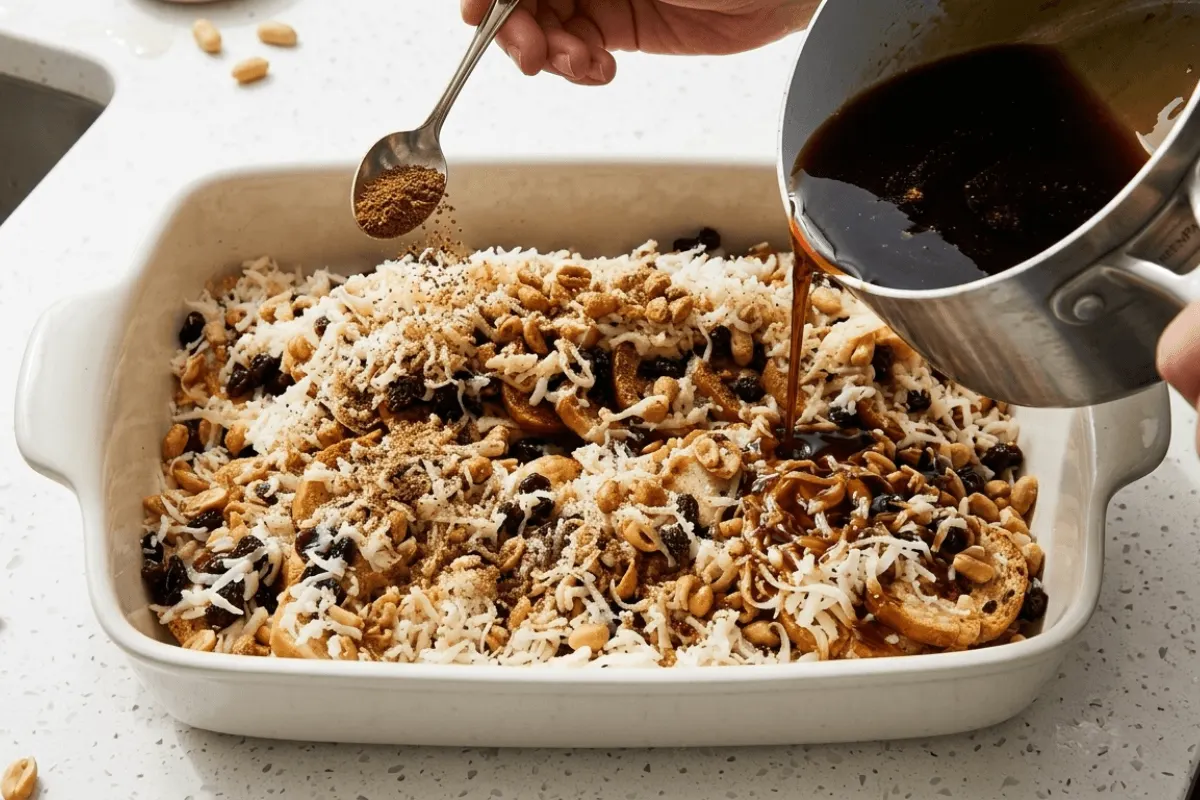
- Scatter the cheese, raisins, peanuts, and remaining spices over the top. Add the last ¼ cup of brown sugar, then pour the syrup evenly over everything. Cover with foil.
- Bake for 30 minutes. Let it cool 15–20 minutes before serving — patience pays off here.
Notes
NUTRITION Per Serving
- Calories 271
- Total Fat 11g
- Carbohydrates 38g
- Protein 7g
- Total Sugars 22g
- Sodium 281mg
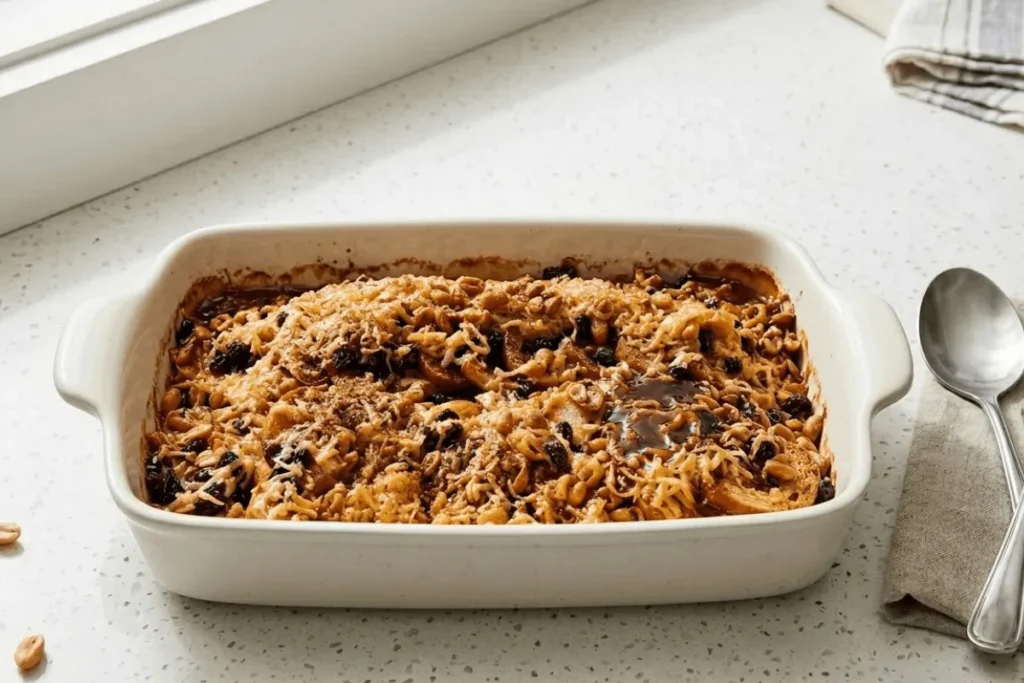
Variations of Capirotada
Five centuries of cooking mean plenty of regional spins. Here are the most popular ones worth knowing:
Capirotada de leche: Swaps the water syrup for sweetened condensed or evaporated milk. Creamier, richer, and dangerously easy to overeat.
Durango Style: Made stovetop instead of baked, giving it a softer, pudding-like texture. Often includes prunes or bananas.
Savory Twist: Some traditional versions add tomatoes and onions to the syrup. Sounds strange — tastes surprisingly balanced.
Festive Versions: Modern takes add sprinkles, coconut flakes, or a drizzle of cajeta on top. Fun for holiday tables.
Tips for the Best Capirotada
- Use bolillo bread if you can — it’s the classic choice. French baguette or Challah works great too. The key is a sturdy crumb that soaks up syrup without falling apart.
- Toast your bread until it’s really dry and golden, then layer. This single step is what stands between you and a soggy dish.
- Leftovers keep 3–5 days in the fridge. Reheat in the oven — not the microwave — to get that melty cheese texture back.
- You can assemble the whole thing 24 hours ahead and refrigerate it unbaked. Perfect for stress-free holiday prep.
Why You Should Try Capirotada at Least Once
There’s genuinely nothing else quite like it. The combination of toasted bread, dark cane sugar syrup, warm spices, salty cheese, raisins, and peanuts sounds unusual — but in the bowl, it makes complete sense. It’s one of those dishes that just clicks the moment you taste it.
Most of the ingredients are pantry staples, no fancy equipment required, and you can prep it the night before. It’s easy to make, rewarding to eat, and carries over 500 years of tradition in every layer. That’s hard to beat.
FAQ
Why is Capirotada eaten during Lent?
It’s a hearty meatless dish packed with religious symbolism tied to the Passion of Christ — perfect for Lenten Fridays and Good Friday.
Is Capirotada sweet or savory?
Both. The syrup and raisins bring the sweetness; the cheese adds a salty kick that keeps everything balanced.
Can I make it without piloncillo?
Yes — dark brown sugar works fine. The flavor’s a bit lighter, but still very good. About 9 oz of piloncillo equals the brown sugar in this recipe.
How do I keep it from getting soggy?
Toast your bread really well before layering — dry and golden. That’s the main trick.
What’s the best cheese to use?
Oaxaca cheese is traditional — mild, salty, and melts beautifully. Monterey Jack, mild cheddar, or Colby are great substitutes.
How long does it keep?
3 to 5 days in an airtight container in the fridge. Reheat in the oven to bring back that melty, golden top.
What if I can’t find bolillo bread?
French baguette, Italian bread, or Challah all work well. Just avoid soft sandwich bread — it’ll dissolve in the syrup.
Capirotada is sweet, savory, historic, and deeply personal all at once. Whether you go classic with the piloncillo syrup or try the creamy milk version, it’s the kind of dish that stays with you long after the last bite. Make it once — and it just might earn a permanent spot at your table too.